Bhutan mountain landscape

DRUK YUL · LAND OF THE THUNDER DRAGON

A KingdomBeyond Time

A Himalayan kingdom where ancient traditions are not preserved behind glass — they are simply how life is lived.

THE LAND

Geography

Geography

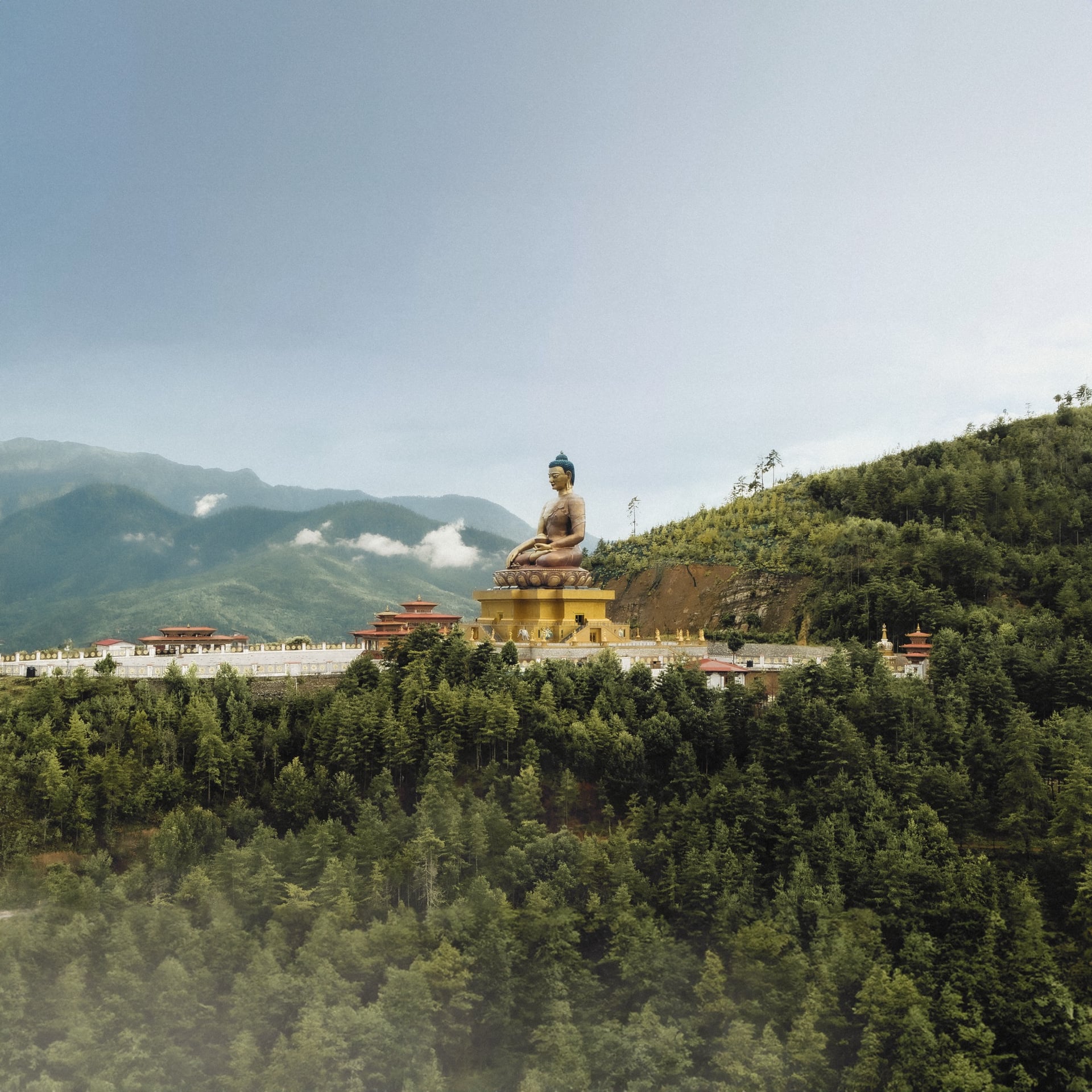
Landlocked in the eastern Himalayas, roughly the size of Switzerland, home to only 800,000 people. Seventy percent forest — the world's only carbon-negative nation. Terrain drops from glacial peaks above 7,000 metres to subtropical plains within 170 kilometres.
THE PEOPLE

Culture

Culture

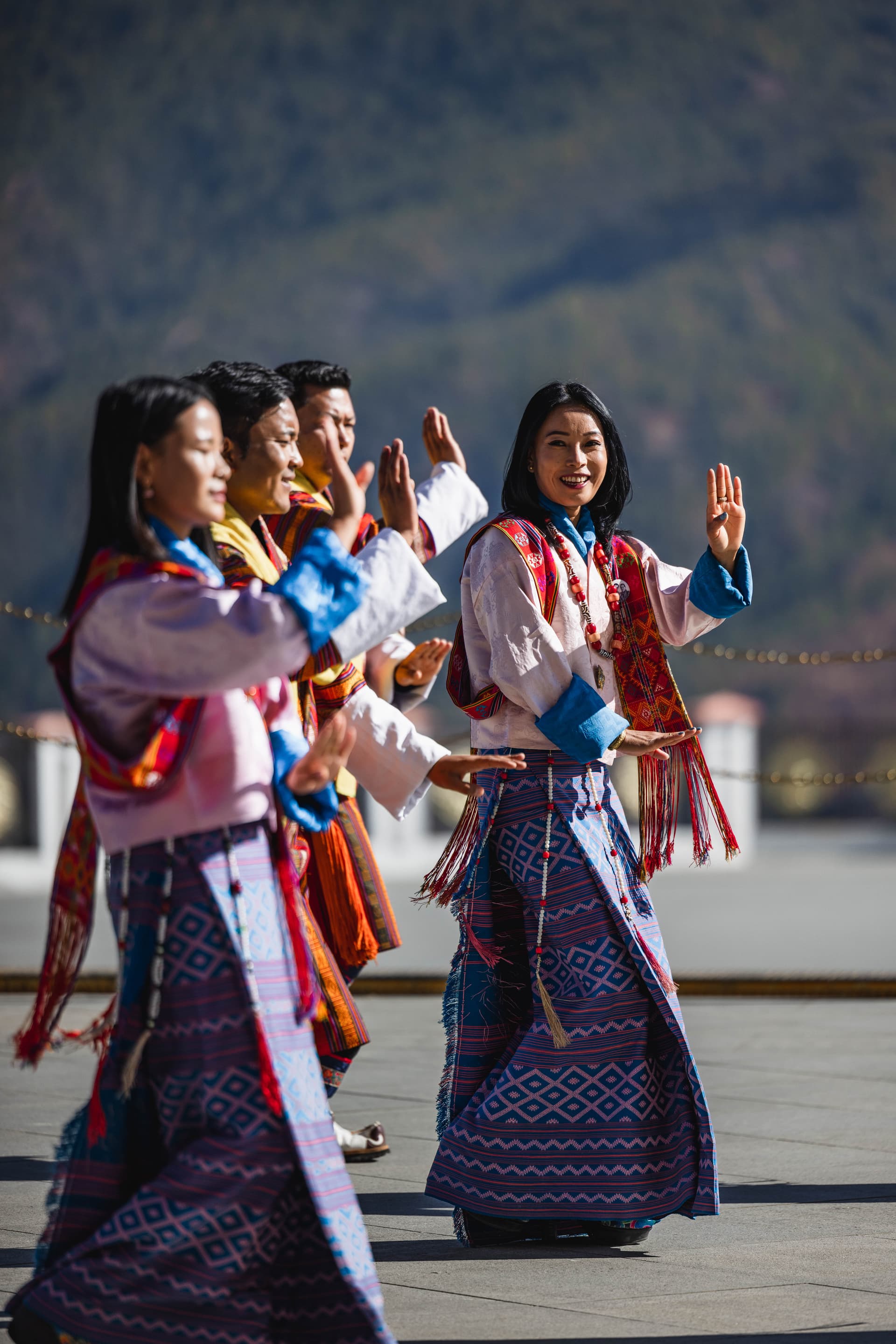
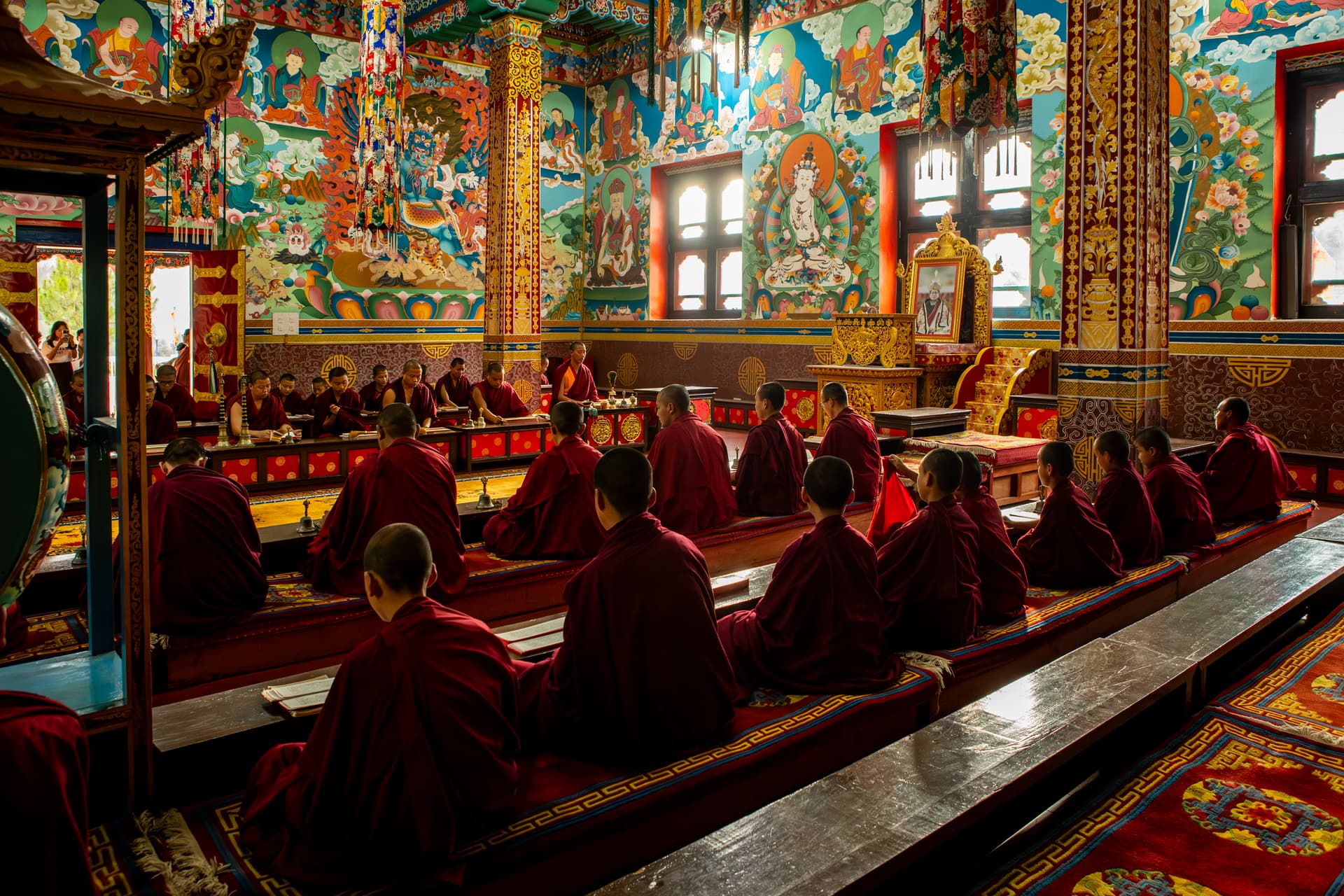
Warm, deeply hospitable, shaped by centuries of Buddhist tradition. Men and women dress in traditional gho and kira — not for tourists, but because it is simply how Bhutanese life looks. A social fabric that remains remarkably intact.

THE SPIRIT

Vajrayana Buddhism

Vajrayana Buddhism

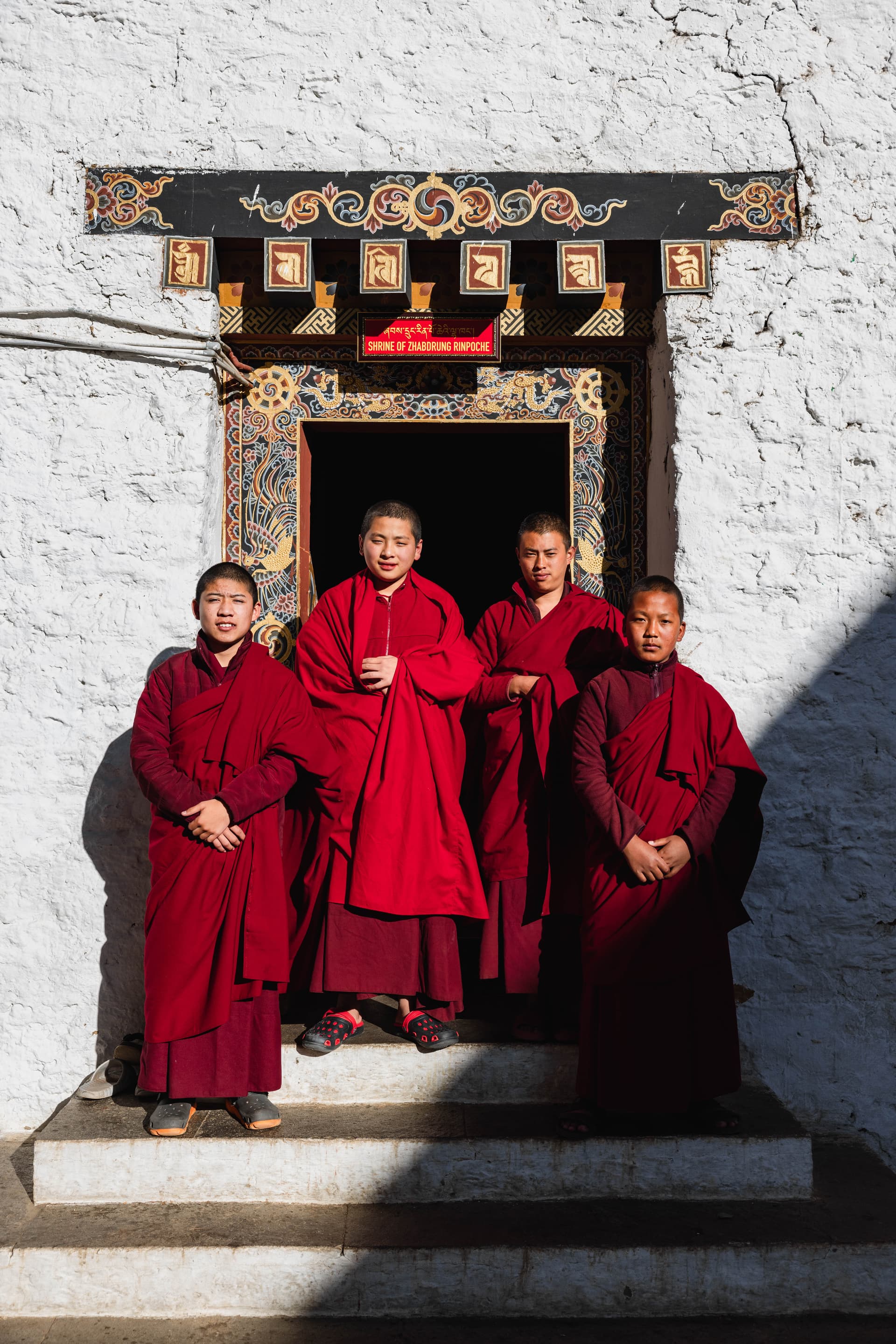
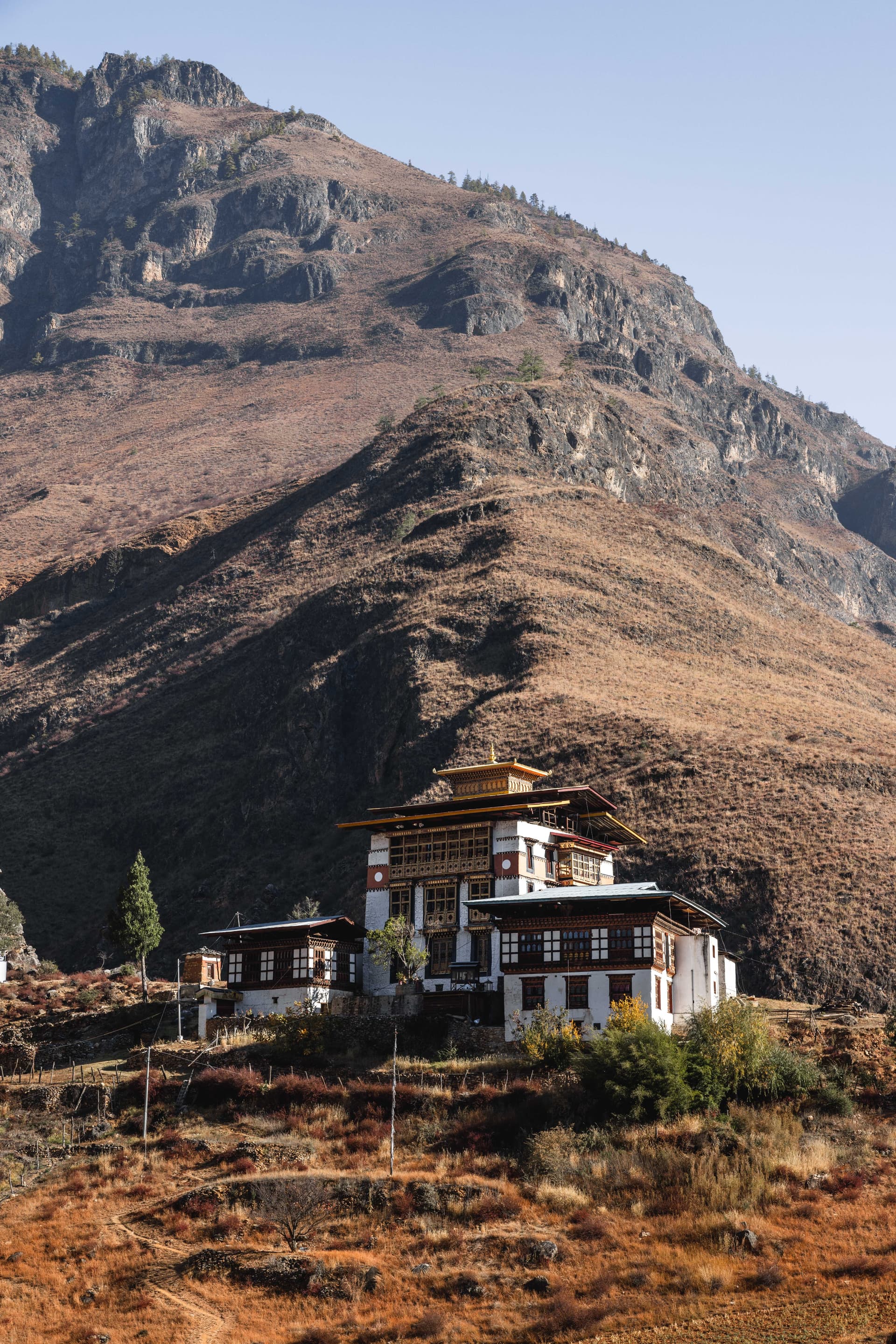
Prayer flags mark every mountain pass. Monasteries and dzongs anchor every valley. Thangka painting, woodcarving, weaving — practised in living communities, not preserved behind glass.

THE PHILOSOPHY

Gross National Happiness

Gross National Happiness

Bhutan measures success not by GDP but by Gross National Happiness — balancing material progress with cultural preservation, environmental stewardship, and spiritual wellbeing.

Best Time to Visit

Discover Bhutan across its most beautiful seasons.

SPRING

March – May

Rhododendrons in bloom. Paro Tsechu. Clear mountain views.

MONSOON

June – August

Heavy rain. Haa and Bumthang accessible. Lush landscape.

AUTUMN

Sept – Nov

Crisp skies. Thimphu Tsechu. Golden valleys. Peak season.

WINTER

Dec – Feb

Cold and quiet. Black-necked cranes. Fewer visitors.

A considered way to travel

Bhutan keeps visits intentional: a Sustainable Development Fee sustains services for citizens while limiting visitor numbers to preserve the country's character.